
A well-tended garden boosts street appeal, attracts more buyers, and enhances property value—proving that greenery truly sells homes faster and higher.
Read More



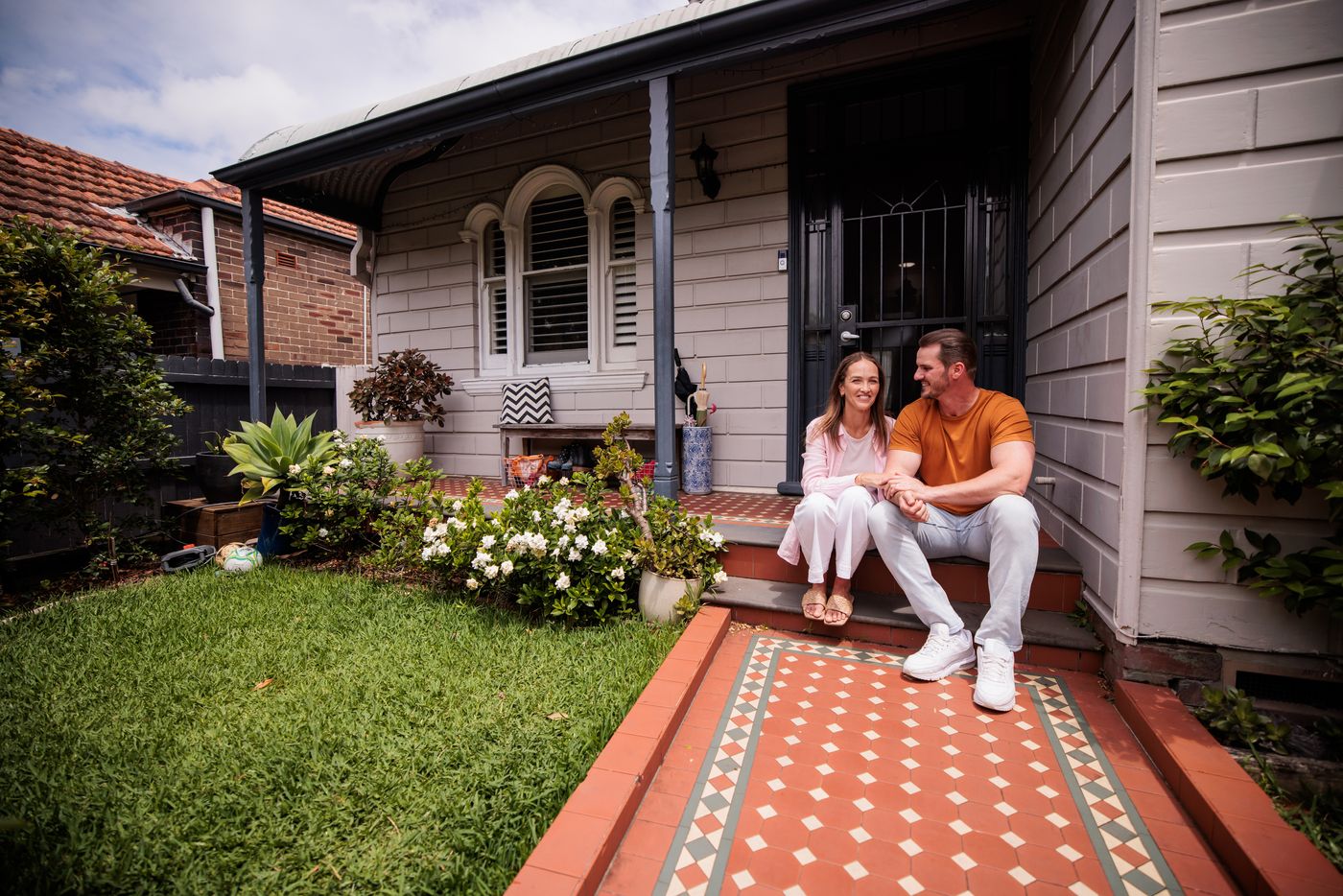


Commonwealth Bank figures also show that the largest cohort of these buyers (40%) is purchasing property on their own.
High property prices and a housing supply crunch are key reasons for this trend. But there are other reasons for this change as well. Put simply, Australians are waiting longer than their parents and grandparents to not only buy their first home, but also to get married and start a family.
The latest ABS figures show both first-time mums and dads’ median ages (33.8 and 31.9 in 2023) have increased by five to six years since 1975. They are also now having just one child, as compared to two in the mid-1970s.
Large generational gaps are clearly evident when studying home buyers’ approaches to purchasing a property. In a recent report, Cotality described these different approaches as “generational defaults and dealbreakers”.
While this report is based on a US survey, it features some strong home-buying differences between generations. Gen Z buyers initially feel confident about buying a home, but the “cracks” in this confidence show later in the buying process, until by the end, only 73% of this age group say they feel ready to purchase.
Meanwhile, Millennial and Gen X buyers are more cautious. According to the Cotality report, Gen X buyers are the quiet middle sector who are confused but still committed. These buyers are more responsible than younger buyers and want a smart property deal, rather than a fast one. Millennials are generally comfortable with the buying process, but they can be sceptical about the buying process and their expectations about this process often shift.
The good news is that these points can work in older first-home buyers’ favour. As these “defaults and dealbreakers” suggest, general life experience is a big advantage when house-hunting. For example, there is nothing wrong with being cautious when buying such an important asset as a home, or feeling confused about the many different fees and costs involved in the process.
There is also still plenty of hope for older first home buyers who can offer lenders significant financial advantages that can reduce their loan risk. These points include a long-term career with a good income, good savings, as well as a healthy superannuation and investments.
Under the 2004 Age Discrimination Act, lenders also can’t decline a loan application purely because of a buyer’s age. At the same time, mature first-time buyers are higher-risk borrowers, and Australia’s responsible lending laws may result in lenders baulking at their applications.
There is a key reason for this wariness: older buyers may only have 15 or 20 years to repay a standard 30-year loan before they reach their official retirement age, or in other words, they turn 67 years old, when they can start receiving an age pension.
As a result, and even though this retirement age can differ, depending on the lender, many will decline to write older buyers a 30-year loan.
To counter this issue, I recommend that older first-home buyers have their finances in order before approaching a lender. Obtain pre-approval and conduct your market research. You should also have an excellent exit strategy to give lenders, especially if you’re planning to hold your mortgage after you turn 67. Be prepared to pay off your loan faster than younger buyers, too.
Stabilising interest rates and three rate cuts already this year will also help your cautious confidence.
By John McGrath, Chief Executive Officer of McGrath Estate Agents.
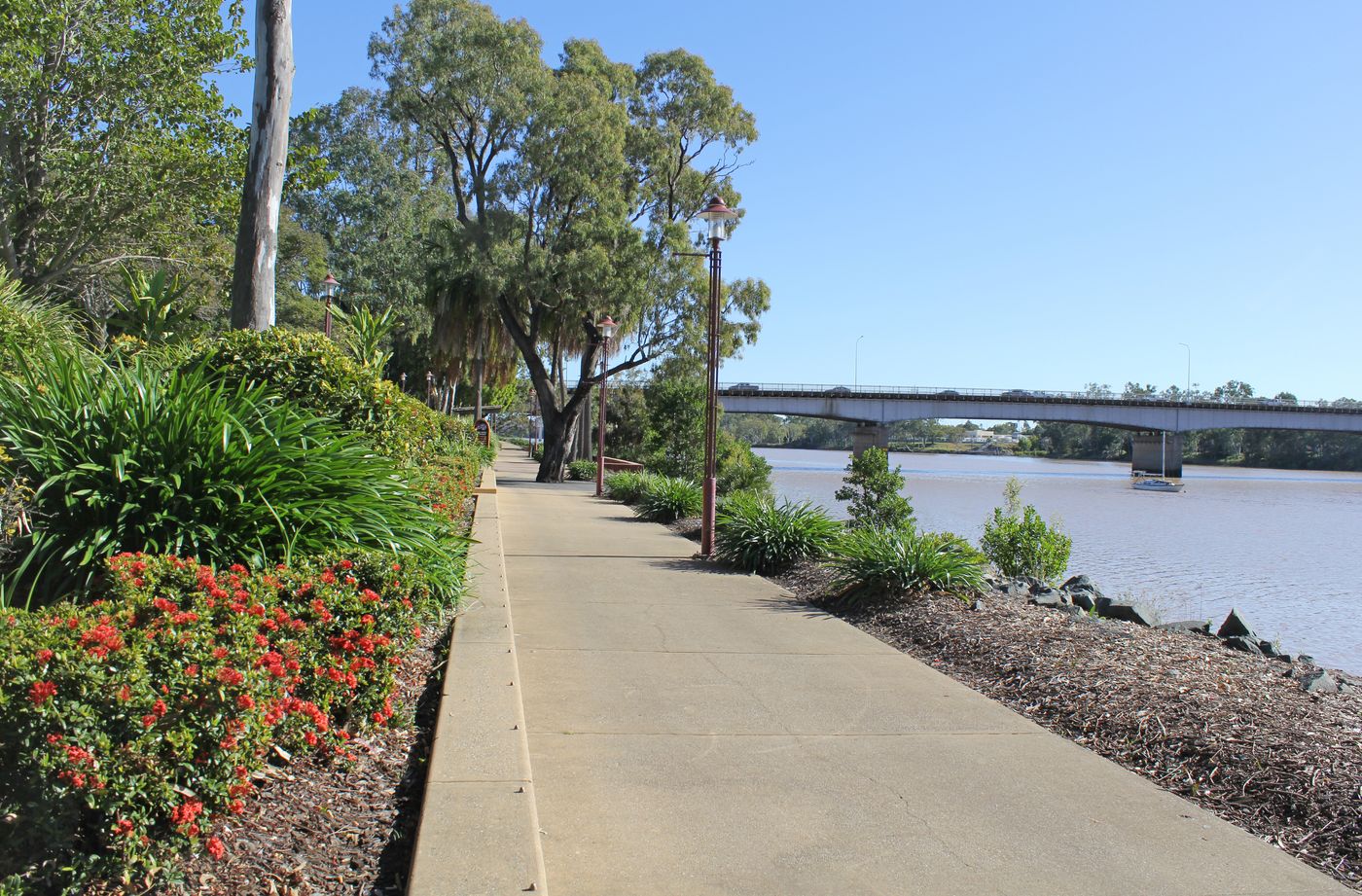
It’s not just Australia’s capital cities that are undergoing a property market rebalance. In a convergence of suburban areas and regional towns, we’re seeing the latter experiencing performance moderations very similar to capital cities.
The value gap between the regions and the capital cities is continuing to narrow and, just like our nation’s cities, the value momentum in our regions’ hottest towns is slowing down as weaker ones increase in popularity.
The narrowing value gap has been pretty noticeable since at least September last year and has picked up since January. According to Cotality, July was the first time in nine months that our regional markets’ quarterly growth rate (1.7%) didn’t outperform the capital cities (1.7%).
But at the same time, regional centres still have plenty to offer buyers in performance growth, like rental increases, especially when it comes to annual uplifts. For a start, Cotality’s latest Regional Market Update shows a 5.9% value uplift in our combined regions over 12 months, compared to a 3% increase in our capital cities.
It also shows that our 50 largest regional significant urban areas (SUAs) still outshine capital cities when it comes to performance growth. The value of the SUAs was 1.5% in the April quarter and 1% for the combined capital cities.
According to the report, buyers in regional Western Australia are still active, with Geraldton’s home values rising by 26.9% over 12 months. Albany’s annual rental growth also experienced a 13% uplift.
In Rockhampton in Queensland, properties are selling after just 11 days and in a positive shift for Victoria’s newly emerging market, Shepparton and Mooroopna experienced a 30.3% rise in yearly sales volumes.
This year’s interest rate cuts have also altered recent performance growth in our regional centres. Cotality argues that the capital cities’ 1.1% rise from the three months to January 31, compared to 0.5% in our biggest regional areas, makes it more responsive to this year’s February interest rate cut – our first in four years.
The trend of moving from more expensive capital cities to cheaper regional areas is still popular, too.
The latest figures from the Regional Australia Institute’s Regional Movers Index show average, quarterly city-to-country moves have stayed elevated at about 20.5% per cent higher than in the pre-COVID era. Our city-to-country moves also outnumber country-to-city moves by 25%.
Even with this popularity, regional New South Wales includes some of our poorest regional performers. Cotality’s Regional Market Update shows Bathurst property values only shifted by 0.3% in the last quarter, while Lismore’s annual sales volume is down 18.7%. Homes in Bowral and Mittagong are taking 77 days to sell.
But overall, the demand for regional properties remains positive, with this data presenting new opportunities for regional buyers, especially investors. But values and growth in regional centres are shifting and changing towards a new property cycle that is already increasingly apparent in our cities and suburbs.
I’d expect Cotality’s next Regional Market Update will highlight this shift even more than their most recent reports do. Rate cuts will likely mean further shifts in our regional values and performances.
We are also on the verge of another busy Spring period, so it will be interesting to see what the next few months will bring to both regional and capital city property markets.
By John McGrath, Chief Executive Officer of McGrath Estate Agents.

Even with an accountant, organising your tax return is not fun or easy. But if you’re an existing homeowner or planning to buy a home soon, it literally pays to start forward thinking for a new financial year sooner, rather than later.
I’m a big proponent of reserving some time every week of the year to arrange your property’s receipts, income statements, bills and similar. You can utilise whatever arrangement works for you, whether that’s storing paperwork in envelopes or folders or using an Excel spreadsheet on your computer; but you should have hard and soft copies of every detail. Either way, using this “pay as you go” system means you won’t get lost in an end of financial year mountain of paperwork.
Well before June 30 every year, you should also note down several important dates and details. Existing home owners should use this period to conduct a performance review of your property and consider your priorities for the next financial year including repairs and maintenance. Refinancing now can ensure lower interest rates, as well as smart inclusions such as offset accounts.
First home buyers forward thinking for a new financial year should study government schemes and concessions as these can change on June 30, with new ones also beginning. More experienced potential buyers should prepare to settle on a home before this date so that you can enjoy a range of tax breaks. Even a few days of home ownership before this date can make a big difference to your tax return.
Home loan pre-approvals are popular in this period as well so buyers should expect lender delays. But this delay can be a silver lining as you should consider your current tax return and your expected earnings in the new financial year before applying for a pre-approval. If you expect to earn a lot more in the latter period, this change will increase your borrowing capacity, so you may want to wait to complete your tax return for the new financial year before approaching a lender.
EOFY tax benefits
The best reason to forward think for a new financial year are the tax breaks, which for property investors, can be significant. You can claim deductions for rental income, home loan interest, and rental expenses including utility bills, body corporate and property management fees, council rates, and landlord insurance. You can also claim tax deductions on refinancing costs and some of your property’s capital works. Long-term, you can enjoy the tax benefits of asset depreciation, negative gearing and the 50% capital gains tax discount.
But to enjoy these benefits, you’ll need to provide the Australian Tax Office or your accountant with all your property paperwork such as rental income receipts, rental expense bills, home loan and settlement statements, and copies of your sale contract.
The tax deductions for existing owner-occupier home owners are admittedly small. But if you’re renting out part of your property or working from home, a portion of your utility bills and other expenses can be claimed as a tax deduction. So too can any items you purchase for your home office or rental space, such as a desk chair or printer, and you can also claim depreciation on these assets and items. Just remember to save the receipts for these items to include in your tax return.
By John McGrath, Chief Executive Officer of McGrath Estate Agents.

For many families, choosing where to live isn’t just about affordability or proximity to work. Increasingly, it’s about access to a quality public education for their children.
New data from Cotality shows families are willing to pay significant premiums for the privilege. They’re stretching their budgets to buy homes in desirable public school catchment zones rather than paying private school fees for up to 13 years.
In some parts of Sydney and Melbourne, homes inside top-performing public school catchment zones are selling for six-figure premiums — and in one case, more than $1.2 million extra.
Families are paying these premiums because they see it as a smarter long-term investment. Not only do they secure access to a quality education for their children without the ongoing cost of private school tuition, but they also enjoy the comfort of owning a home with long-term market appeal.
Location would also play a part. Many schools are centrally positioned within suburbs, so they’re also close to village shops, cafes, public transport and recreational facilities like parks and sports fields.
Proximity to these amenities is highly prized, driven by Australians’ love of the cafe lifestyle and a desire for weekend walkability after a sedentary work week. Today, being within strolling distance of good coffee is a drawcard for all buyers, not just families.
According to Cotality’s research, the biggest school zone premium was found on Sydney’s Lower North Shore, where buyers targeting the combined catchments of Killara High, Willoughby Girls, and Lindfield Learning Village paid a median $1,289,000 more than those who bought outside the zone. That’s a 39.8% premium.
In Melbourne, the most expensive catchment zones were around Princes Hill Secondary College and University High School, where houses cost an average of $357,000 more than similar properties just outside the zone. That’s a 23.4% premium.
While the data shows that the premium doesn’t always come with higher capital growth — in fact, many of these in-demand catchment areas have underperformed neighbouring suburbs over the past 15 years — that hasn’t stopped buyers from competing fiercely for homes inside the boundary.
Cotality’s analysis found that in six of the nine school zones studied, homes inside the catchments cost at least $100,000 more than those outside. That upfront cost may seem steep, but it could actually be a money-saver in the long run.
Futurity Invest Australia estimates that private school tuition costs about $349,000 per child from kindergarten to Year 12 — and even more in Sydney and Melbourne. Some private Sydney high schools reportedly charge more than $46,000 per year, bringing the cost of high school alone to $276,000.
For many families, a larger mortgage seems like a better deal than more than a decade of school fees, especially when interest payments tend to decline in real terms over time whilst school fees tend to rise.
Interestingly, the research also found some exceptions to the rule. In Sydney’s Cherrybrook Technology High School zone and Melbourne’s Doncaster Secondary College catchment, homes inside the zone were actually cheaper than those outside.
But overall, the trend is clear – access to a highly regarded public school continues to be one of the key drivers of buyer behaviour in family-friendly suburbs.
For young families weighing up the cost of education and the desire to own a well-located home, paying a bit more to buy into a strong public school zone can offer both lifestyle and financial benefits — and may even turn out to be the more affordable option in the long run.
By John McGrath, Chief Executive Officer of McGrath Estate Agents.

There’s a significant new trend in property investment: for the past three years, a majority of Australian investors have been positively or neutrally geared. That means their rental income has met or exceeded their expenses, including loan repayments. As a result, they’ve been pocketing extra income each year on top of any capital gains. This is a significant shift given the previous 20-year trend of most investors being negatively geared. The trend is revealed in FY23 tax data released by the Australian Taxation Office (ATO) last month.
Based on all our tax returns, the ATO reports there were 2,261,080 Australians with an interest – either sole ownership or joint or part-ownership – in one or more rental properties in FY23. Among them, 51% – or 1,143,905 – reported net positive or neutral rental income.
This is the third consecutive year in which more investors came out ahead after expenses. In FY22, 58% of investors reported positive or neutral net rental income. In FY21, it was 53%. This follows a two-decade history prior to FY21 when the majority of investors were negatively geared each year. The fact that interest rates were at record lows in FY21 and FY22 is the most obvious reason why more investors were positively geared in those years. But what about FY23? The Reserve Bank of Australia raised interest rates 10 times (albeit from a low base) in FY23. The cash rate rose rapidly from 0.85% to 4.1% between July 2022 and June 2023, and yet most property investors remained positively geared. How is that so?
I think several factors are contributing to what I hope might become a lasting trend. The biggest one is a huge surge in weekly rents that began in FY21 and continued into FY22 and FY23. Cotality data shows annual rental growth of about 7% in FY21, 9% in FY22, and another 9% in FY23. Additional rental income would have certainly offset the impact of rising interest rates in FY23. (The pace of rental growth has since slowed but remains above inflation, with annual increases of about 8% in FY24 and 3.4% in FY25.) Another contributing factor is the ageing profile of property investors. According to the data, the largest cohort of Australian investors are aged 60 years or older. The FY23 data shows more than one in four investors, or 27%, are in this age group.
This is relevant because older people typically have more wealth, after a lifetime of work and decades of owning their homes, and therefore have more scope to pay down investment debt. Retirement would also provide a new motivation to pay off debt, as would turning 60, since that’s when many Australians can access their superannuation in a lump sum under certain conditions. Additionally, a rising number of baby boomers have been downsizing in recent years, which is freeing up funds to pay off loans or fund the purchase of a new property investment with cash. Owning property mortgage-free virtually guarantees strong positive cash flow, since loan repayments are by far the biggest cost for most landlords.
I’m also mindful that since the pandemic, we have seen a significant trend in investors choosing to buy cheaper properties with higher rental yields in regional areas or investing in capital cities in states or territories that are more affordable than Sydney and Melbourne. This may also be contributing to the trend in more property investors being positively geared. Affordability is a key driver of this trend, but the pandemic also facilitated it. Lockdowns led to rapid changes in the industry, including enhanced online marketing tools and the provision of private inspections via video. Documentation like loans and property sale contracts went digital, making the financing and conveyancing processes more streamlined, and reducing the barrier of distance.
I also think more investors are employing buyers’ agents to do all the legwork for them, and this helps people access other states and territories to diversify their portfolios. Buyers’ agents are readily available across the country, so investors can buy in the best-performing markets with confidence. For example, there is plenty of anecdotal evidence that East Coast investors have been buying in both the capital cities and regional areas of Western Australia and Queensland over the past few years. These states have been among the top performers in terms of home value growth for several years now. The best thing about more property investors being positively or neutrally geared is that it makes it easier for them to hold on to their investments for the long term.
The real wealth from property investment comes from capital gains, and we know that the longer you hold your investment, the higher your capital growth is likely to be.
By John McGrath, Chief Executive Officer of McGrath Estate Agents.


Buying a property can be one of the most exciting and stressful experiences of your life. Whether buying your first home, your forever home, or an investment property, the key to success is knowing how to navigate the process with clarity and confidence.
There are two main ways homes are sold in Australia – by private treaty or auction. Each method requires a different mindset and strategy. Here are my top tips for both methods.
Buying via private treaty: Negotiation know-how
In a private treaty sale, the seller lists the property with either a fixed price or a price guide. From there, it’s all about negotiation. Here’s how to get the best outcome for yourself.
1. Do your homework
Before making an offer, research recent comparable sales in the area. This will give you a sense of the property’s fair market value.
2. Ask the agent the right questions
Find out how long it’s been on the market, if any offers have been made, and whether the vendor has a preferred settlement period. These insights can guide your negotiation strategy. For example, you may be able to trade a shorter settlement for a lower price.
3. Make your first offer count
Put your offer in writing and confirm you have pre-approved finance. Start somewhere below your walk-away price and move your offers upwards in small increments. Put a deadline on your offers – 5pm the next day is fair – to encourage a decision.
4. Try an odd amount as negotiations continue
If you’ve already made a few offers, try an odd amount like $933,500 instead of $935,000. This suggests there’s some logic behind your offer and also implies you’re at your limit.
5. Understand vendor psychology
Sellers want two things – a good price and confidence the sale will go through. If your finance is sorted and you can sign the contract quickly, you become a safer bet.
Buying at auction: Bidding to win
Buying at auction is a different experience. It’s fast, public and more emotional. There are also clear benefits for you. You’ll be able to read the other bidders’ body language, their offers will be transparent, and their presence should reassure you of the home’s appeal!
Here’s how to go about bidding at auction.
1. Understand the rules
Auction sales are unconditional. That means no cooling-off period and no chance to negotiate terms after the event. Do your due diligence beforehand. Get building and pest inspections done, read the contract carefully and make sure your finance is approved.
2. Stand in a good position
Position yourself where you can clearly see the auctioneer and your competitors.
3. Start low, then wait
Make a low bid to start the auction. Unless the property looks like it’s going to be passed in, don’t bid again until the reserve price has been met and the home has been called on the market.
4. Project confidence
Create the impression that you will continue bidding until you own the home, no matter what. Timid bidders are often put off by the aura of unstoppable self-assurance.
5. Call out your bid in full
When the bidding is down to small increments, it’s easy for buyers to lose sight of the amount of money being offered. Calling out the full amount of your bid is a reality check for other buyers. For example, say “$955,000” instead of “$5,000” (your bidding increment).
Final tip
In my experience, fate can play a hand in these things. It’s better to feel the short-lived disappointment of missing out on a property you love than the long-lasting remorse of paying more than you are comfortable with. If you miss out on a property, accept that it wasn’t meant to be and look forward to finding something better soon.
By John McGrath, Chief Executive Officer of McGrath Estate Agents.


It used to be the case that people who were priced out of expensive capital cities would do a seachange/treechange relocate to an affordable satellite town within commuting distance for work.
For example, Sydneysiders would look north to the Central Coast or south to Wollongong, while Melburnians would look west to Geelong or Ballarat, or south to the Mornington Peninsula.
Today, seachanging and treechanging has broadened to city switching, with more people opting to move states to retain the buzzy city lifestyle they love in a smaller and more affordable capital city.
This trend accounts for a large part of the price growth we’ve seen in Brisbane, Adelaide and Perth over the past two years.
The city switching trend started after the COVID boom in 2021 and during the subsequent market correction in 2022. In 2023, home values in Brisbane, Adelaide and Perth rose by 13.1%, 8.8% and 15.2%, respectively. In 2024, prices continued rising by 11.2%, 13.1% and 19.1%, respectively.
Despite this strong growth, Brisbane, Adelaide and Perth still offer better housing affordability than Sydney and comparable affordability to Melbourne.
The latest CoreLogic data puts median house prices at $981,000 in Brisbane, $879,000 in Adelaide and $839,000 in Perth, compared to $1,473,000 in Sydney and $929,000 in Melbourne.
But it’s not just housing affordability that is driving people to relocate to Brisbane, Adelaide and Perth. If that were the only factor, the city switch trend would have started long ago.
Arguably, the biggest social change COVID brought about was the option for many people to permanently work from home. This meant people could live anywhere, and the city switching trend shows many people prefer cosmopolitan city living over a slower-paced regional lifestyle.
Population data released by the Australian Bureau of Statistics (ABS) last month shows all capital cites experienced growth in FY24. However, growth was strongest in Perth at 3.1%, followed by Brisbane and Melbourne at 2.7% each, then Sydney at 2%, Canberra at 1.6% and Adelaide at 1.5%.
Digging down into the numbers allows us to see the city switching trend at play.
The only two capital cities that recorded net internal migration gains (that’s the number of people moving there from another part of Australia less the number departing) were Brisbane and Perth. The largest net internal migration losses were in Sydney and Melbourne.
The ABS also noted that population growth was greatest in the more affordable outer suburbs of the capital cities and “was driven by people moving into these areas from other parts of Australia”.
But not everyone relocating to smaller capital cities are doing so because they can work from home. Some are moving there because strong economic growth has led to more jobs and higher wages.
CommSec’s latest State of the States report, published last October, found Western Australia had the strongest economic growth of all the states and territories for the first time in more than a decade, followed by South Australia and then Queensland. These cities also had the strongest job markets.
On top of that, average weekly earnings are highly comparable at $1,954 per week in Queensland, $1,857 in South Australia, $2,157 in Western Australia, $1,986 in NSW and $1,928 in Victoria, according to ABS data.
So, it’s a combination of cheaper housing, remote working, growing state economies, and equivalent or better pay that is driving more Australians to try small city living.
These city switchers get to enjoy many of the same lifestyle benefits and job security as they had in Sydney or Melbourne, but with cheaper mortgages and less traffic congestion.
By John McGrath, Chief Executive Officer of McGrath Estate Agents.


We are seeing good competition at auctions this Autumn, with the national combined capital city clearance rate holding above 60%, which is considered the benchmark for a balanced market.
Looking ahead, we’ll see a pause in market activity over the Easter school holidays in mid-April. In addition, with the Federal Election to be held in May, we’ll see fewer auctions scheduled for Election day (even though there is no reason to avoid election day!).
While the market is currently cooling across the board, it was interesting to see Sydney reverse the trend with an 0.3% median price rise in February after three consecutive months of falls.
The combined capital cities median price also went up by 0.3% after two consecutive months of declines, while the regional median continued its gradual but consistent upward trajectory.
The data tells us that prices are holding up pretty well even though market conditions have changed.
There is greater evidence of the market slowing down in the days-on-market (DOM) statistics.
Nationwide, it now takes a median 42 days to sell, which is up from 33 days a year ago, according to CoreLogic figures.
Along the East Coast, the time it takes to sell has lengthened in every capital city bar Canberra and every regional area bar regional South Australia over the past 12 months.
The current median DOM by city are: Sydney 48 days, Melbourne 51, Brisbane 27, Adelaide 36, Perth 19, Canberra 55, Hobart 56, Darwin 66. The median DOM by region are: NSW 62 days, Victoria 63, Queensland 35, South Australia 46, Western Australia 29, Tasmania 59, Northern Territory 98.
Several factors contribute to the length of time it takes to sell your home. Market conditions are one of them, and of course this is out of your control. But many factors are within your control. They include taking the time to choose your agent carefully and investing in high quality marketing.
So, don’t worry if your local market is weakening. There is plenty you can do to help your home sell within a satisfactory timeframe. Here are my three best tips.
1.Meet the market on price
Nothing will be more attractive to a buyer than an attractive price. Your agent will show you some comparable sales to help you understand local market values today. This will help you set an appealing asking price for private treaty, or a realistic price guide for auction (if allowed in your state or territory).
Setting the price is more of an art than a science. No two homes are identical, so you and your agent must compare your home to recent sales and adjust for any differences.
2.Quality marketing
Your marketing campaign must have broad reach to potential buyers, and must also inspire them to act and attend an open. Call in the professionals for great photography and persuasive copywriting.
3.Excellent presentation
The key to extracting a premium price for a property – in any location, at any time, in any market – is emotionally connecting a number of buyers to your home and creating competition between them.
The way to improve your chances of buyers falling in love with your home is superior presentation.
Don’t be offended if your agent suggests professional styling! The purpose is to present your home in its most marketable form to buyers. Universally appealing styling that helps buyers imagine themselves living there will enable more people to emotionally connect with your property.
Your home will receive the highest attention from buyers within the first 14 to 21 days of your campaign, so it’s crucial to get these three things right from the very start.
One of the great mistakes sellers make is setting the price too high, thinking they can simply lower it later if they need to. This damages campaigns from the start. You’ll never get those first 14 to 21 days back.
So, listen to your agent, look at the comparable sales, and meet the market on price to generate as much competition as possible. It’s competition that provides your best chance of a premium result.
By John McGrath, Chief Executive Officer of McGrath Estate Agents.


Australia’s housing landscape is changing as we try to keep up with population growth and help young buyers get into the market. Not enough dwellings are being built, with smaller housing lots and higher apartment towers among the solutions to address both lacking supply and the affordability crunch.
As discussed in the McGrath Report 2025, a freestanding house on a quarter acre block, or 1,012sqm, used to be the norm for family living in Australia. But this scenario is rapidly moving into the rear view mirror.
Governments are increasingly wary of the high costs of delivering new infrastructure and services to support large land releases for development on the city fringes, and more buyers are looking for low-maintenance and lifestyle-rich accommodation in existing urban areas.
This has increasingly required our cities to build more on less land.
In 2023, soft consumer demand and industry capacity constraints led to a 33% reduction in the number of urban fringe housing lots being released to the market, compared to the annual average across the previous decade. In addition, the average size of these lots dropped from 481sqm in 2014 to 414sqm in 2023.
This trend towards more efficient housing will only continue, with the NSW Government announcing plans to allow townhouses, terraces, duplexes and small apartment buildings across more residential zones, and the Victorian Government promoting fast-tracked and ready-made approvals for apartment buildings up to three storeys near train stations and key centres.
In line with the same trend, Australia’s suburbs are increasingly reaching for the skies, with more apartment towers being built to accommodate population growth and provide affordable options for home ownership.
Census data shows that in 2021, apartments comprised 21.6% of homes in Brisbane, Melbourne and Sydney. This compares to an 18.9% apartment share of all homes in 2011. Between 2011 and 2021, Brisbane experienced the greatest growth in new apartment dwellings (56.1%), followed by Sydney (43.4%) then Melbourne (26.7%).
This apartment surge has led to a dramatic change to the skylines of our East Coast capital cities, with an average apartment tower height of 13.6 storeys for all high-rise buildings built between FY15 and FY24.
In coming years, middle ring suburbs in these cities will challenge the traditional supremacy of inner ring suburbs when it comes to the skyscraper stakes. The average height of all proposed middle ring suburb towers is 17.7 storeys, compared to just 16.2 storeys in inner ring suburbs.
This is a reversal of the situation across the last decade from FY15 to FY24, when towers to an average of 14.7 storeys were built in inner ring suburbs, compared to just 12.7 storeys in middle ring suburbs.
Middle ring suburbs with the highest average proposed towers will be Sydney’s Parramatta (35.4 storeys), Melbourne’s Box Hill (23.2 storeys) and Brisbane’s Indooroopilly (12.5 storeys), according to McGrath Research.
A key issue, however, is that the supply of apartments has also not kept pace with demand, due to planning delays, high building costs and shrinking developer finance. The number of new apartments built in East Coast capital cities in 2023 was 60% below the annual average of 37,380 apartments built between 2013 and 2022, although there are signs that construction has been picking up momentum since this time.
As a result, in FY24, established apartment price growth outperformed house price growth in Brisbane, Melbourne and Hobart and recorded a national increase of 6.5%, according to CoreLogic data.
This scarcity of newly built apartments in recent years will likely continue to place upward pressure on apartment prices, as more buyers turn to this housing option.
This is despite the fact that building cost escalation eased in the first half of 2024, resulting in more homes coming on to the market in line with the National Housing Accord target to build 1.2 million homes by mid-2029.
Under the Accord, long overdue reform is finally injecting more flexibility into state and local planning laws around the country. It will take time for all these changes and their benefits to play out in the market. But hopefully we will see a meaningful increase in the supply of new homes within the next few years, which should go some way to tempering annual price growth to more sustainable levels over the long term.
By John McGrath, Chief Executive Officer of McGrath Estate Agents.


A key reason for this is higher-for-longer interest rates, which continued to constrain buyers’ borrowing capacity.
This meant some buyers had to compromise on their ideal location or change their aspirations in terms of the size and type of properties they targeted.
The result was more demand in the most affordable suburbs and cities of Australia, with the best price growth in Brisbane, Adelaide and Perth.
Since the pandemic, millennial buyers seem more willing to move interstate and start a whole new life in exchange for much more affordable housing.
Two decades ago, buyers in high value markets like Sydney and Melbourne typically sought better affordability in areas further away from the CBD.
Over time, this has pushed up prices in outer ring suburbs to the point where these areas no longer provide enough of a saving for many young buyers.
So, they’re increasingly looking interstate instead, which is one of the reasons why Brisbane, Adelaide and Perth have enjoyed such significant price growth.
Reflecting this trend, Western Australia recorded the highest population growth in FY24 at 2.8%. This had a flow-on effect to home values.
CoreLogic data shows the best Australian suburbs for house price growth last year were all in Perth. Half of those suburbs had a median value below $661,000, which puts them in the lowest price quartile of the national market.
The top growth markets for apartments were in Perth, Brisbane and Adelaide, and each of the top 10 suburbs had a median price below $600,000.
Solid levels of first home buying and investor activity also contributed to high demand in the lower price quartile last year. Younger buyers and investors tend to target apartments, which have lower median values than houses.
Let’s take a look at the best growth suburbs in the East Coast capital cities and regions.
Best growth suburbs of 2024
In Sydney, CoreLogic data shows house prices rose by 19% in Bonnyrigg in the south west, 18.5% in Wiley Park in the inner southwest and 17.9% in Emerton in the Blacktown area. In regional NSW, the top three suburbs were all in the Richmond – Tweed area. House values rose by 26.1% in Coraki, 23.9% in South Lismore and 22.4% in Lismore.
In Melbourne, house prices rose by 5.2% in Balaclava in the inner city, 4.5% in Beaconsfield and 4.3% in Pearcedale – both in the city’s southeast. In regional Victoria, house values rose by 12.5% in Rochester in the Shepparton area, 11.3% in Red Cliffs in the north west region and 11% in Tatura, also in Shepparton.
In Brisbane, house prices rose by 24.8% in Leichhardt in the Ipswich region, 23.7% in Brisbane City and 23.6% in One Mile, also in Ipswich. In regional Queensland, house values rose by 35.9% in Rasmussen in Townsville, 35.6% in Toolooa in central Queensland and 34.6% in Barney Point in Central Queensland.
In Hobart, house prices rose by 9.2% in Moonah in the north region, 7.4% in Primrose Sands in the east and 4.7% in Risdon Vale, also in the north. In regional Tasmania, the top three suburbs were all in the state’s north west. House values rose by 16.3% in Parklands, 12.1% in Park Grove and 11.5% in Montello.
In Canberra, house prices rose by 12.6% in Whitlam in the Molonglo region, 8.1% in Gowrie in the south and 6.5% in Campbell in the east.
Looking ahead, buyer demand in the lower and middle markets is waning due to affordability challenges. The fact that interest rates did not change last year also impacted buyer confidence. This makes the first rate cut in 2025 very important for buyer morale.
The first cut will signal the beginning of a series of rate reductions, which should spur on buyers. We will likely see a spike in buyer activity with the first cut, and a more meaningful increase once we’ve seen three or four rate cuts.
By John McGrath, Chief Executive Officer of McGrath Estate Agents.

Now that inflation is within the Reserve Bank’s target band of 2-3 per cent, a February rate cut seems very likely according to both the Commonwealth Bank and ANZ.
But how would an earlier-than-expected interest rate cut affect the Australian housing market in 2025?
An early interest rate cut could bring back some confidence to the market, particularly in cities like Sydney and Melbourne where activity has slowed.
It may lead to a quicker end to the downturn, with price declines in Melbourne potentially stopping and Sydney seeing price growth pick up again. Forecasts indicate price growth of about 0-3 per cent from a potential rate cut.
While one rate cut is expected to boost confidence and lead to slight price growth, the broader impact will depend on how many cuts follow. ANZ forecasts two rate cuts in this cycle, while NAB predicts five, with the first occurring in May.
Interest rate cuts could spur buyer activity, particularly after a series of reductions that provide significant mortgage relief. While an initial rate cut might lead to a spike in buyer interest, more meaningful activity is expected after three or four cuts.
As buyer demand picks up, more sellers are likely to enter the market. Currently, auction clearance rates across Australia have softened, dropping from 70-75 per cent to 55-60 per cent in most markets.
However, there could be a lag as sellers adopt a “watch and wait” approach following the first rate cut, delaying listings until the market shows sustained improvement.
The first quarter of 2025 could be an ideal time for buyers before increased competition and rising prices take hold. Several rate cuts could dramatically change the market dynamic, especially in areas with limited stock.
Competitive markets are expected to see heightened activity, with some regions experiencing intense demand due to undersupply. Predictions suggest growth in 20 out of 25 of Australia’s largest cities, with significant growth of 8 per cent or more in 11 cities. Townsville, for instance, is forecast to grow by 30 per cent in 2025, a figure that could rise further with earlier rate cuts.
The Federal Government’s Help to Buy scheme, set to roll out nationwide this year, is expected to provide meaningful support for first-home buyers. However, as the program is capped at 10,000 participants annually, its impact on overall pricing will likely be limited.
Undersupply remains a key driver of price growth. Without significant progress toward the government’s target of building 1.2 million homes, property prices may remain elevated despite various government initiatives. Rate cuts could accelerate this trend, emphasizing the need for increased housing supply to address affordability challenges.


The Real Estate Institute of Queensland (REIQ) is urging the Government to adopt a more balanced and reasonable approach to the expansion of the Anti-Money Laundering and Counter-Terrorism Financing (AML/CTF) regime, than proposed in the AML/CTF Regime Amendment Bill 2024. As it stands, the Attorney-General’s Department Impact Analysis estimates the ongoing annual cost of the regime at ~$2bn per annum for the property industry. Queensland’s property industry will absorb a whopping ~$250m of that cost per annum.
REIQ CEO Antonia Mercorella, who represented Australia’s real estate professionals before a Federal Senate Committee last week, emphasised the REIQ’s support for the regime’s objectives but raised significant concerns about the impact of the laws on small business and everyday Australians buying and selling property.
“We fully support the Government’s commitment to protecting the integrity of the Australian financial system,” Ms Mercorella said.
“However, the proposed framework doesn’t fully take into account the practical challenges faced by real estate businesses—namely the lack of resources and specialised expertise needed to meet these complex compliance requirements.
“Further, the cost of compliance is unlikely to be absorbed by businesses without impacting the end price for buyers and sellers, making everyday real estate transactions more expensive for Australians.”
Ms Mercorella pointed out that large institutions, such as banks, have dedicated teams of specialists and resources to manage AML/CTF checks, due diligence and reporting requirements.
“In contrast, most real estate businesses in Queensland are small, independent operations, often with fewer than five employees, and are not equipped with the expertise or systems necessary to meet the extensive AML/CTF obligations,” she said.
“The skills, knowledge and resources needed to undertake these tasks goes far beyond the reasonable scope of a real estate professional’s training and expertise and requiring them to assume this responsibility is highly inappropriate.
“We support a legislative framework that meets the regime’s objectives and places the appropriate burden on real estate professionals without causing significant impacts, costs and delays to the facilitation of property transactions.”
Ms Mercorella said the REIQ proposes a more collaborative, technology-based approach to compliance, suggesting the development of solutions that allow real estate agents, legal professionals, and financial experts (tranche 2 entities) to share and rely on information.
This model would streamline and enhance the compliance process, reduce duplication and keep costs down.
“We propose a solution where real estate agents play an active role in the AML/CTF process undertaking reasonable tasks that include verification of identity and suspicious behaviour monitoring and reporting,” Ms Mercorella said.
“Meanwhile, more complex and highly technical tasks, such as source of funds or source of wealth checks and Politically Exposed Persons (PEP) identifications, should be left to legal practitioners and accountants.
“We believe that this approach offers a more balanced solution, one that achieves the desired objectives of the AML/CTF regime without placing unreasonable expectations on real estate professionals or compromising the efficiency of property transactions.”
The REIQ remains committed to supporting the Government’s efforts to combat money laundering and terrorism financing, but insists that a more pragmatic, resource-supported approach be adopted to ensure the real estate sector can continue to operate smoothly and securely.

© 2026 McGrath Northern Rivers Group - Real Estate. Privacy Policy
Powered by Appraise.works